
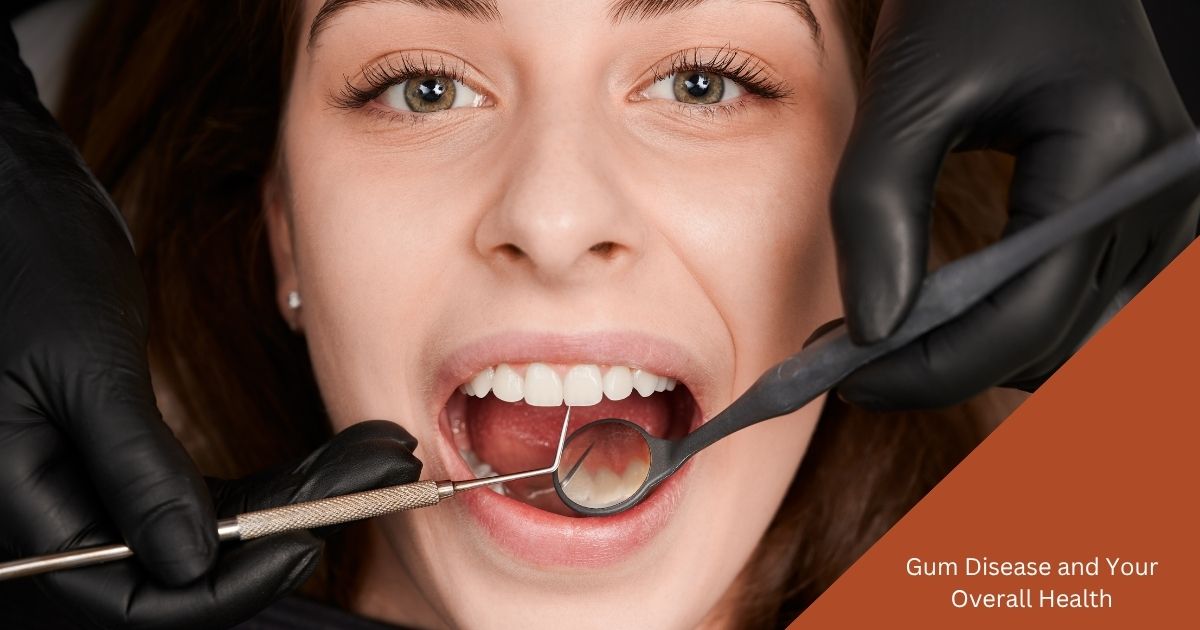
Many people don’t realize that gum disease is more than just a dental problem. Research has shown that gum disease is linked to serious health conditions including heart disease, stroke, diabetes, and respiratory infections. At Hopetown Dental in Harrow, Dr. Rena believes that understanding the connection between oral health and overall health is crucial for maintaining not just a healthy smile, but a healthy body. In this article, I’ll explain what gum disease is, how it affects your overall health, and what you can do to prevent and treat it.
What is Gum Disease?
Gum disease, also called periodontal disease, is an infection of the tissues that support your teeth. It begins with the buildup of plaque and tartar on your teeth. If not removed through proper brushing and flossing, bacteria in plaque and tartar can infect your gums, causing inflammation and infection.
There are two main stages of gum disease: gingivitis and periodontitis.
Gingivitis
Gingivitis is the early stage of gum disease. It causes inflammation of the gums, which may appear red, swollen, and may bleed when you brush or floss. At this stage, the infection has not yet affected the bone that supports your teeth. Gingivitis is reversible with proper treatment and improved oral hygiene.
Periodontitis
If gingivitis is left untreated, it can progress to periodontitis. At this stage, the infection has spread to the bone and tissues that support your teeth. Periodontitis causes the gums to pull away from the teeth, forming pockets that become infected. This can lead to bone loss and eventual tooth loss if not treated.
Signs and Symptoms of Gum Disease
Early signs of gum disease include red, swollen, or tender gums; gums that bleed easily when you brush or floss; persistent bad breath; or a change in how your teeth fit together when you bite. More advanced gum disease may cause loose teeth, a change in your bite, or pus between your teeth and gums.
Some people don’t experience any symptoms in the early stages of gum disease, which is why regular dental checkups are so important.
The Connection Between Gum Disease and Overall Health
Research has established a strong link between gum disease and several serious health conditions. Here’s how gum disease can affect your overall health:
Heart Disease
Studies have shown that people with gum disease have a higher risk of heart disease. The bacteria from gum disease can enter the bloodstream and cause inflammation in the arteries, increasing the risk of heart attack and stroke.
Stroke
People with gum disease have a higher risk of stroke. The bacteria and inflammatory compounds from gum disease can contribute to the formation of blood clots and plaque buildup in the arteries.
Diabetes
There’s a bidirectional relationship between gum disease and diabetes. People with diabetes are more susceptible to gum disease, and gum disease can make it harder to control blood sugar levels.
Respiratory Infections
Bacteria from gum disease can be aspirated into the lungs, causing respiratory infections such as pneumonia.
Pregnancy Complications
Pregnant women with gum disease have a higher risk of premature birth and low birth weight babies.
Bone Loss
Gum disease causes loss of bone that supports your teeth. This can lead to loose teeth and eventual tooth loss.
Risk Factors for Gum Disease
Several factors increase your risk of developing gum disease, including poor oral hygiene, smoking, genetics, hormonal changes, stress, certain medications, and underlying health conditions like diabetes.
Prevention of Gum Disease
The good news is that gum disease is largely preventable through proper oral hygiene and lifestyle choices. Here’s what you can do:
Brush Twice Daily
Brush your teeth twice daily with a soft-bristled toothbrush and fluoride toothpaste. Use gentle, circular motions rather than aggressive scrubbing.
Floss Daily
Floss between your teeth daily to remove plaque and food particles that your toothbrush can’t reach.
Use Antimicrobial Mouthwash
An antimicrobial mouthwash can help reduce bacteria in your mouth.
Schedule Regular Dental Checkups
Visit your dentist every six months for checkups and professional cleanings. More frequent visits may be recommended if you have risk factors for gum disease.
Quit Smoking
Smoking significantly increases your risk of gum disease. Quitting smoking is one of the best things you can do for your oral and overall health.
Manage Stress
Chronic stress can weaken your immune system and increase your susceptibility to gum disease. Find healthy ways to manage stress, such as exercise, meditation, or yoga.
Maintain a Healthy Diet
Eat a balanced diet rich in vitamins and minerals to support your immune system and oral health.
Control Underlying Health Conditions
If you have diabetes or other health conditions, work with your healthcare provider to keep them well-controlled.
Treatment of Gum Disease
If you develop gum disease, treatment depends on the stage and severity. Early-stage gingivitis can often be reversed with improved oral hygiene and professional cleaning. More advanced periodontitis may require scaling and root planing (a deep cleaning procedure), antibiotics, or in severe cases, surgery.
Gum Disease Treatment at Hopetown Dental
At Hopetown Dental, Dr. Rena can diagnose and treat gum disease at any stage. She’ll work with you to develop a treatment plan tailored to your specific needs and will provide guidance on preventing future gum disease.
Concerned About Your Gum Health?
Schedule an appointment with Dr. Rena at Hopetown Dental for a comprehensive gum health evaluation.
Call: (519) 960-0357


