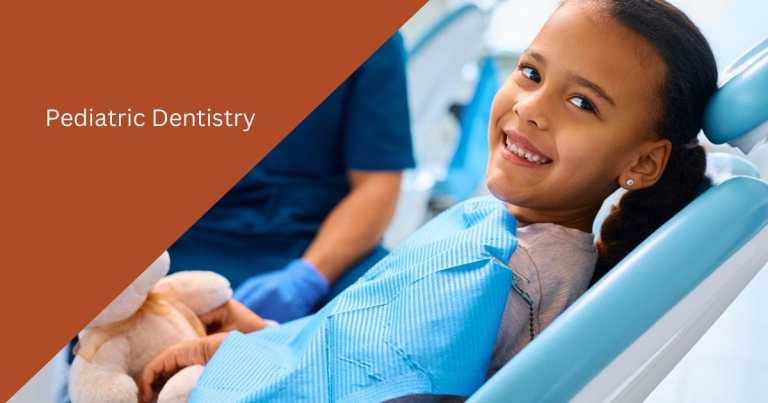
Establishing good oral health habits early in life sets the foundation for a lifetime of healthy teeth and gums. At Hopetown Dental in Harrow, we believe that pediatric dentistry is about more than just treating cavities— it’s about educating children and parents about the importance of oral health and creating positive dental experiences that will last a lifetime. In this article, I’ll discuss why pediatric dental care is important, when to start dental visits, what to expect at a pediatric dental appointment, and tips for maintaining your child’s oral health at home.
Why is Pediatric Dental Care Important?
Many parents think that baby teeth aren’t as important as permanent teeth because they’ll eventually fall out. However, this is a misconception. Baby teeth are crucial for several reasons:
Proper Nutrition: Healthy baby teeth allow children to chew food properly, which is essential for proper nutrition and growth.
Speech Development: Baby teeth play a role in speech development. Missing or decayed teeth can affect how children pronounce words.
Space Maintenance: Baby teeth hold space for permanent teeth. If baby teeth are lost prematurely due to decay, permanent teeth may come in crooked or crowded.
Confidence: A healthy smile helps children feel confident and comfortable in social situations.
Overall Health: Oral health is connected to overall health. Poor oral hygiene in childhood can lead to health problems later in life.
When Should Your Child’s First Dental Visit Be?
The American Academy of Pediatric Dentistry recommends that children have their first dental visit by age one or within six months of their first tooth erupting. This early visit allows the dentist to assess your child’s oral development, check for any problems, and provide guidance on oral hygiene and nutrition.
Early dental visits also help children become comfortable with the dental environment and reduce anxiety about future dental care.
What to Expect at a Pediatric Dental Appointment
A pediatric dental appointment is designed to be comfortable and nonthreatening for children. Here’s what you can typically expect:
Examination
Dr. Rena will examine your child’s teeth and gums, checking for cavities, bite problems, and other issues. She may take X-rays if necessary.
Cleaning
A dental hygienist will gently clean your child’s teeth to remove plaque and tartar buildup.
Fluoride Treatment
A fluoride treatment may be applied to strengthen tooth enamel and prevent cavities.
Education
Dr. Rena will discuss your child’s oral health and provide guidance on brushing, flossing, and nutrition. She’ll also answer any questions you have.
Tips for Maintaining Your Child’s Oral Health
Start Early
Begin cleaning your baby’s mouth even before teeth erupt. Use a soft cloth to gently wipe the gums after feeding. Once teeth start to erupt, use a soft-bristled toothbrush.
Brush Twice Daily
Help your child brush their teeth twice daily with a fluoride toothpaste. Use only a pea-sized amount of toothpaste for children under three.
Floss Daily
Once your child has two teeth that touch, start flossing between them daily.
Limit Sugary Foods and Drinks
Sugar feeds the bacteria that cause cavities. Limit candy, soda, juice, and other sugary foods and drinks. Encourage water as the primary beverage.
Avoid Prolonged Bottle or Sippy Cup Use
Prolonged exposure to milk, formula, or juice can lead to tooth decay. Transition to a regular cup around age one.
Schedule Regular Dental Visits
Bring your child to the dentist every six months for checkups and cleanings.
Model Good Oral Hygiene
Children learn by example. Brush and floss your own teeth regularly and let your child see you doing so.
Common Pediatric Dental Issues
Cavities: Cavities are the most common chronic disease in children. They can be prevented through good oral hygiene, fluoride treatment, and limiting sugary foods.
Thumb Sucking: Prolonged thumb sucking can affect tooth development and bite alignment. Dr. Rena can provide strategies to help your child break this habit.
Tongue Thrusting: Some children thrust their tongue forward when swallowing, which can affect bite alignment. This usually resolves on its own as children grow.
Crowding: If your child’s teeth appear crowded, Dr. Rena can monitor their development and recommend orthodontic treatment if necessary.
Making Dental Visits Fun
To help your child develop a positive attitude toward dental care, make dental visits fun and positive. Praise your child for being brave, avoid using scary language, and let them know that the dentist is there to help keep their teeth healthy and strong.
Pediatric Dentistry at Hopetown Dental
At Hopetown Dental, we love working with children. Dr. Rena and our team are experienced in providing gentle, compassionate dental care for children of all ages. We create a welcoming, non-threatening environment where children feel comfortable and safe. We’re committed to helping your child develop healthy oral habits that will last a lifetime.
Schedule Your Child’s Dental Visit
Contact Hopetown Dental to schedule a pediatric dental appointment for your child.
Call: (519) 960-0357