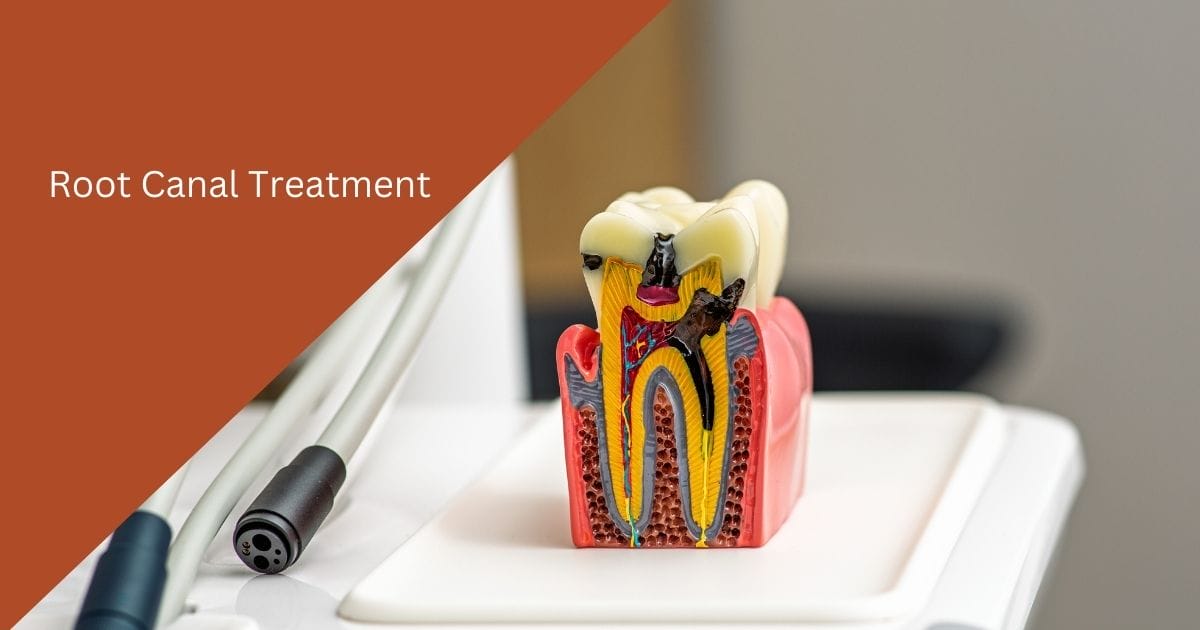
Root canal treatment has a reputation for being painful and unpleasant, but the reality is quite different. A root canal is actually a treatment designed to relieve pain and save your tooth. If you’ve been told you need a root canal, you may be feeling anxious or uncertain about what to expect. At Hopetown Dental in Harrow, Dr. Rena has performed hundreds of successful root canal treatments and specializes in helping patients feel comfortable throughout the procedure. In this comprehensive guide, I’ll explain what a root canal is, why it’s needed, what to expect during the procedure, and how to care for your tooth afterward.
What is a Root Canal?
A root canal is a dental procedure in which the infected or damaged pulp inside your tooth is removed and replaced with a filling material. The pulp is the soft tissue inside your tooth that contains blood vessels and nerves. When the pulp becomes infected or inflamed, it causes severe pain and can lead to serious complications if left untreated.
Despite its reputation, a root canal is actually a pain-relieving procedure. The pain you feel before a root canal is caused by the infected pulp; the root canal treatment removes the source of the pain.
Why Do You Need a Root Canal?
A root canal becomes necessary when the pulp of your tooth becomes infected or inflamed. This can happen for several reasons:
Deep Decay: If a cavity is left untreated, it can penetrate deep into the tooth and reach the pulp.
Repeated Dental Work: If a tooth has had multiple fillings or other restorative work, the pulp can become irritated.
Cracked or Chipped Tooth: A crack or chip can allow bacteria to enter the tooth and infect the pulp.
Trauma or Injury: A blow to the tooth can damage the pulp even if the tooth doesn’t appear to be cracked or chipped.
Gum Disease: Severe gum disease can allow bacteria to reach the pulp.
Signs You May Need a Root Canal
Common signs that you may need a root canal include severe toothache pain, prolonged sensitivity to hot or cold temperatures, discoloration or darkening of the tooth, swelling and tenderness in nearby gums, or a small pimple-like bump on the gums near the affected tooth.
However, some teeth that need root canal treatment may not show any symptoms. This is why regular dental checkups are important. Dr. Rena can identify problems early before they become painful.
The Root Canal Procedure
Step 1: Examination and X-rays
Dr. Rena will examine your tooth and take X-rays to assess the extent of the infection and plan the treatment.
Step 2: Anesthesia
Local anesthesia is administered to numb the tooth and surrounding area. You won’t feel pain during the procedure, though you may feel pressure and vibration.
Step 3: Pulp Removal
Dr. Rena will create an opening in the crown of the tooth to access the pulp chamber. Using specialized instruments called files, she’ll carefully remove the infected or damaged pulp from the pulp chamber and root canals.
Step 4: Cleaning and Shaping
The root canals are cleaned, shaped, and disinfected to remove all traces of infection.
Step 5: Filling
The cleaned root canals are filled with a biocompatible material called gutta-percha, along with an adhesive cement to ensure complete sealing of the root canals.
Step 6: Restoration
The access opening is closed with a temporary or permanent filling. In most cases, a tooth that has had a root canal will also need a crown to protect it and restore it to full function.
How Long Does a Root Canal Take?
A root canal typically takes 30 minutes to 2 hours, depending on the complexity of the case. Teeth with multiple roots or curved canals may take longer. In some cases, the procedure may be completed in one visit, while more complex cases may require multiple visits.
Will a Root Canal Hurt?
This is the question most patients ask, and the answer is no. With modern anesthetics and techniques, a root canal should not be painful. You may feel some pressure or vibration, but not pain. If you experience pain during the procedure, let Dr. Rena know immediately, and she can administer additional anesthesia.
The pain you feel before the root canal is caused by the infected pulp. After the root canal, that pain should be relieved.
Recovery After Root Canal Treatment
Most patients can return to normal activities immediately after a root canal. You may experience some sensitivity or mild discomfort for a few days, which can usually be managed with over-the-counter pain relievers. Avoid chewing on the treated tooth until it’s been restored with a crown.
Caring for Your Tooth After Root Canal Treatment
After your root canal, it’s important to follow these care instructions:
Avoid Chewing on the Tooth: Until the tooth is restored with a crown, avoid chewing on it to prevent further damage.
Maintain Good Oral Hygiene: Brush and floss regularly to prevent future infections.
Get a Crown: A tooth that has had a root canal should be crowned to protect it and restore it to full function.
Attend Follow-up Appointments: Dr. Rena will want to see you for follow-up appointments to ensure the root canal was successful.
Success Rate of Root Canal Treatment
Root canal treatment has a high success rate of about 90-95%. In the rare case that a root canal is unsuccessful, the tooth can often be retreated or extracted if necessary.
Root Canal Treatment at Hopetown Dental
At Hopetown Dental, we understand that the thought of a root canal can be anxiety-inducing. Dr. Rena and our compassionate team are committed to making the procedure as comfortable and painless as possible. We use modern techniques and equipment to ensure the best possible outcome. If you’re experiencing tooth pain or have been told you need a root canal, don’t delay. Call us today to schedule an appointment.
Experiencing Tooth Pain?
Contact Hopetown Dental for prompt evaluation and treatment.
Call: (519) 960-0357